How much does it really cost to move a shipment from a factory in Guangzhou to your warehouse in Johannesburg — and how long will it actually take? If you have been comparing quotes for Door to Door Shipping from China to South Africa, you have probably noticed two frustrating things: the prices vary wildly, and the transit times range anywhere from 20 to 50 days depending on who you ask.
The confusion is understandable. Door-to-door is not a single product — it is a service model that can be built on sea freight, air freight, or express, and combined with different trade terms that decide who pays the duties. In this guide, we break down exactly how door-to-door shipping works on this route, what it costs in 2026 (duties and VAT included), and how to choose the right setup for your cargo — whether you are a wholesale importer, an e-commerce seller, or shipping your first container.
What Is Door to Door Shipping from China to South Africa?
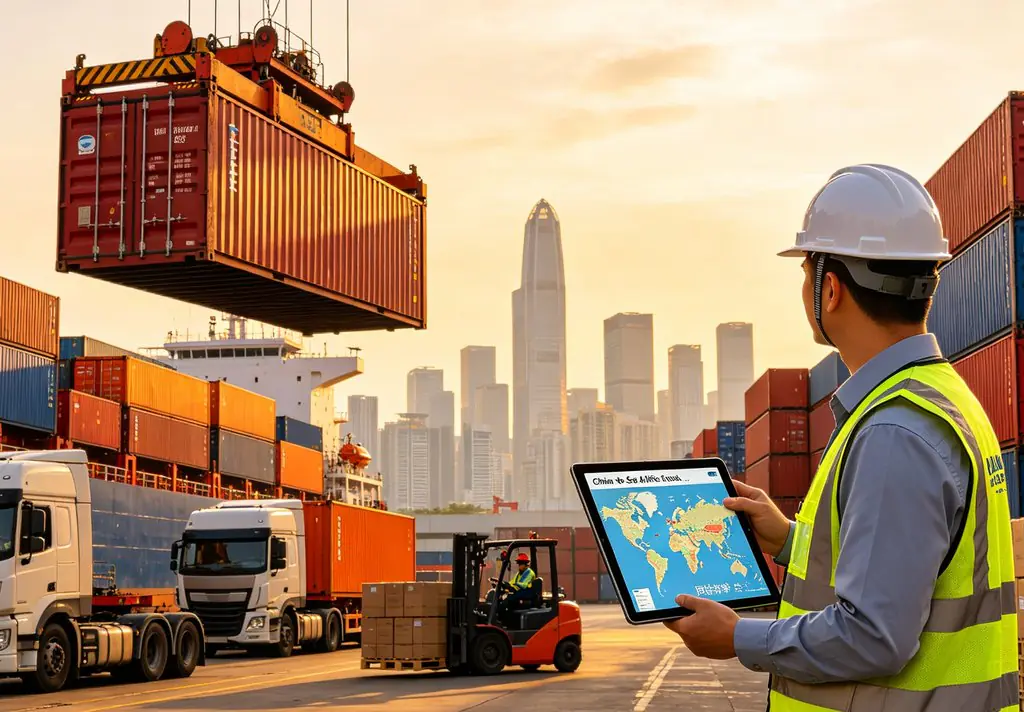
Door to door shipping means your freight forwarder manages the entire journey — from collecting cargo at your supplier’s factory in China to delivering it at your specified address in South Africa. You do not book carriers, file customs declarations, or coordinate with local agents. You hand over the cargo details, and the forwarder handles the rest.
A standard door-to-door service covers five stages:
- Factory pickup — collection from your supplier’s facility in Guangzhou, Shenzhen, Yiwu, Ningbo, Shanghai, or any other manufacturing hub.
- China export customs clearance — export declaration, document preparation, and compliance checks.
- International freight — by ocean (FCL or LCL), air, or express courier.
- South African import customs clearance — declaration to SARS (South African Revenue Service), duty assessment, and VAT processing.
- Last-mile delivery — trucking from the port or airport to your door, whether that is a warehouse in Johannesburg, a store in Cape Town, or a business in Durban.
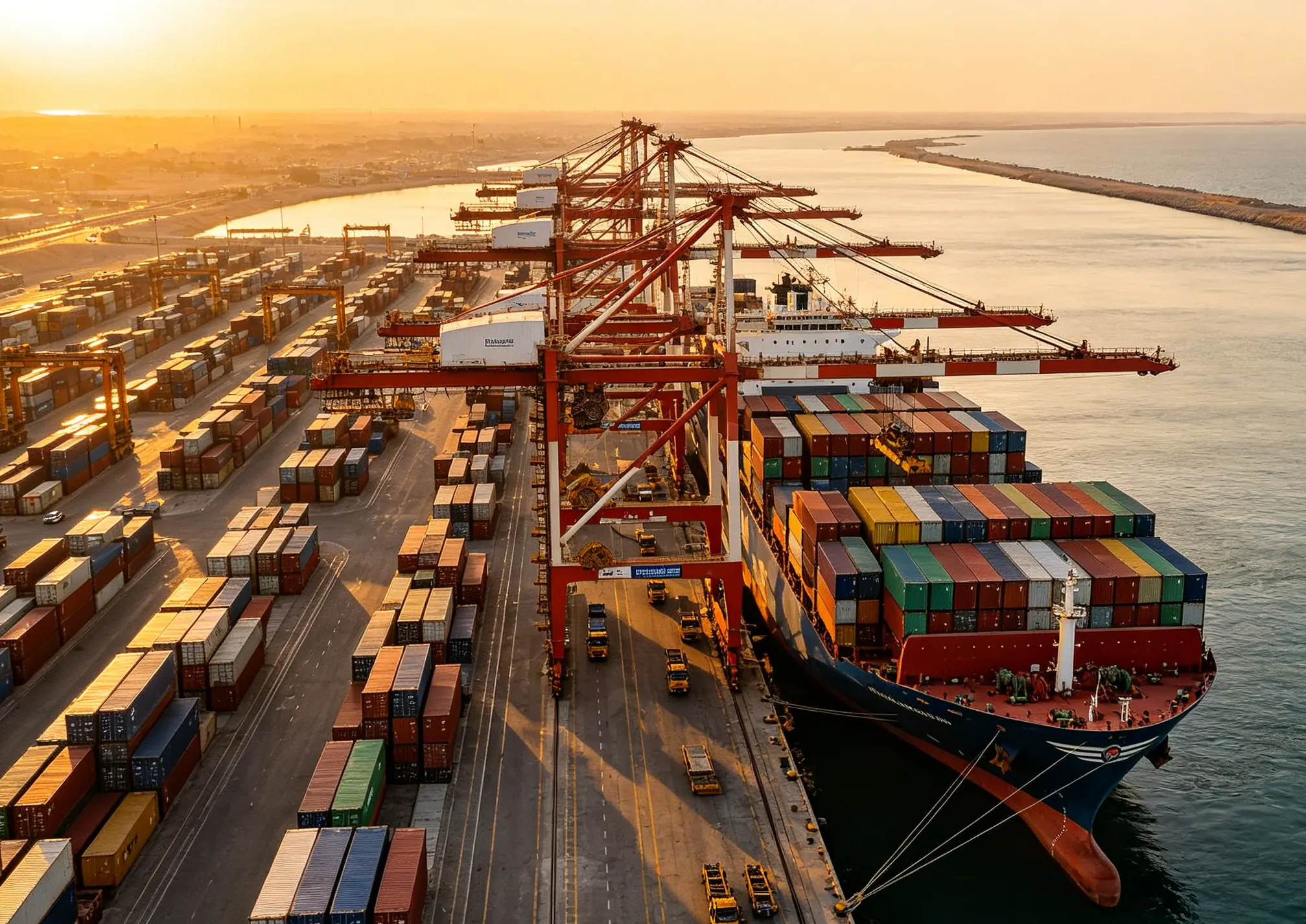
The most common ocean routing is from Shenzhen, Guangzhou, Ningbo, or Shanghai to the ports of Durban or Cape Town, while air cargo typically enters through O.R. Tambo International Airport (JNB) in Johannesburg.
Door-to-Door vs. DDP: What Is the Difference?
Here is where many importers get misled. “Door to door shipping from China” describes the scope of service — who physically moves the cargo. DDP (Delivered Duty Paid) is an Incoterm that describes who pays for what, including import duties and taxes. A shipment can be door-to-door without being DDP.
| China Pickup | Export Clearance | Ocean/Air Freight | SA Customs Clearance | Import Duty + VAT | Final Delivery | |
|---|---|---|---|---|---|---|
| DDP Door to Door | Forwarder | Forwarder | Forwarder | Forwarder | Forwarder | Forwarder |
| DAP Door to Door | Forwarder | Forwarder | Forwarder | Importer | Importer | Forwarder |
| FOB + Door Delivery | Importer’s forwarder | Importer’s forwarder | Importer’s forwarder | Importer | Importer | Importer’s forwarder |
The practical takeaway: if you have no South African import company or VAT number, DDP door-to-door lets a licensed broker clear the cargo under agreed terms, and you simply receive the goods. If you hold an importer code and want to avoid DDP service markups, a DAP or FOB arrangement gives you more control — and more responsibility.
Sea, Air, or Express: Which Door-to-Door Option Fits Your Cargo?
The right mode depends on three variables: cargo volume, urgency, and budget. Here is how the options compare for this route.
Sea Freight Door to Door (LCL and FCL)
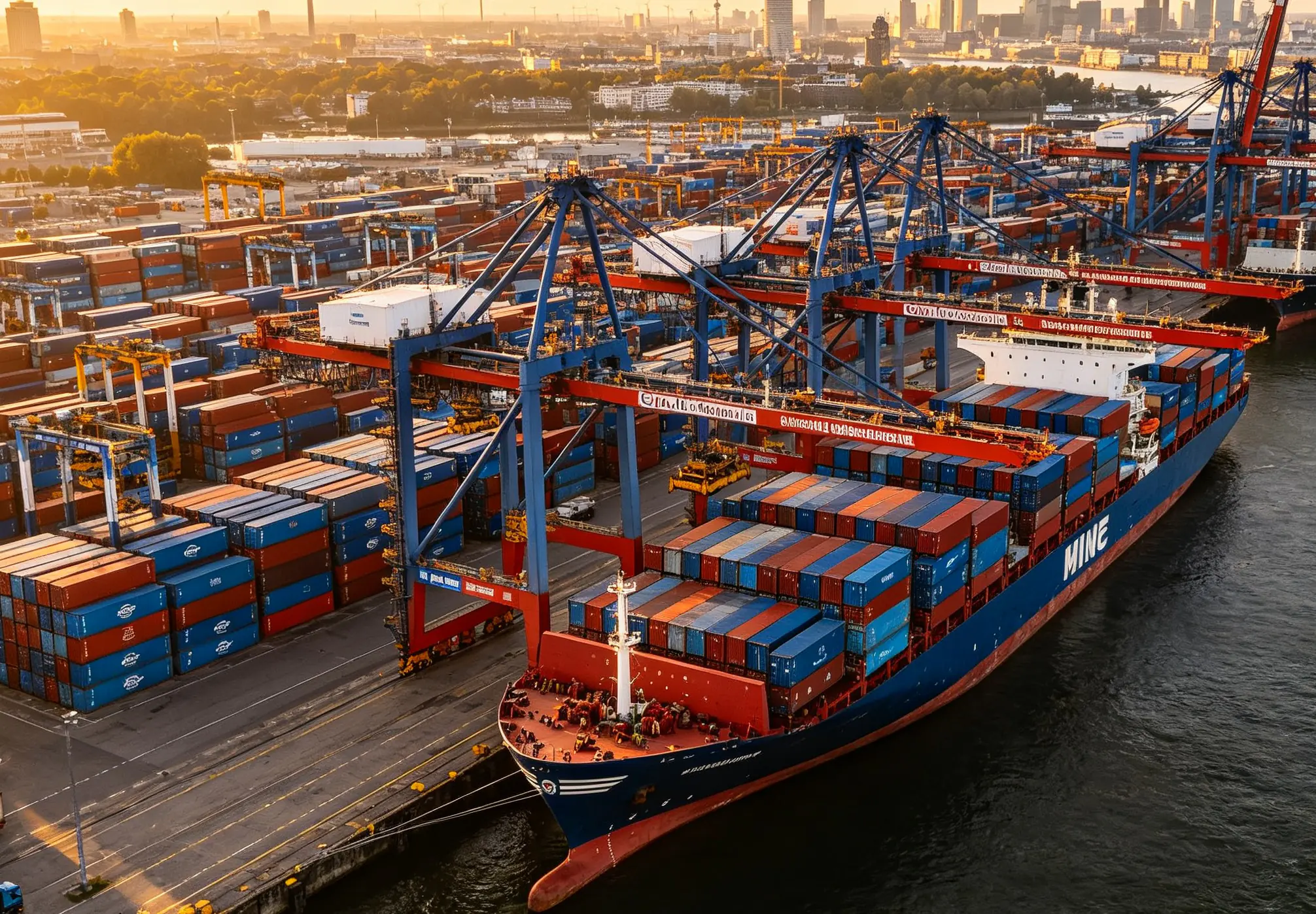
Ocean shipping — the workhorse of sea freight from China on this route — is the backbone of China–South Africa trade. For shipments under roughly 13–15 CBM, LCL (Less than Container Load) consolidation lets you pay only for the space you use. Above that volume, a 20ft or 40ft FCL (Full Container Load) container becomes cheaper per unit and reduces handling damage.
Durban is South Africa’s largest container port and the main gateway for inland destinations like Johannesburg and Pretoria. Cape Town serves the Western Cape but tends to experience more congestion. Note that sensitive cargo — batteries, liquids, powders, or branded goods — may require special routing and documents such as MSDS or UN38.3 test reports, so declare these before booking.
Also factor in the final leg: standard door-to-door rates cover deliveries to major metros, but shipments heading to smaller centers — Bloemfontein, Nelspruit, Polokwane, or East London — may carry inland or remote-area surcharges. Confirm the delivery postcode when you request a quote, not after the container lands.
Air Freight Door to Door
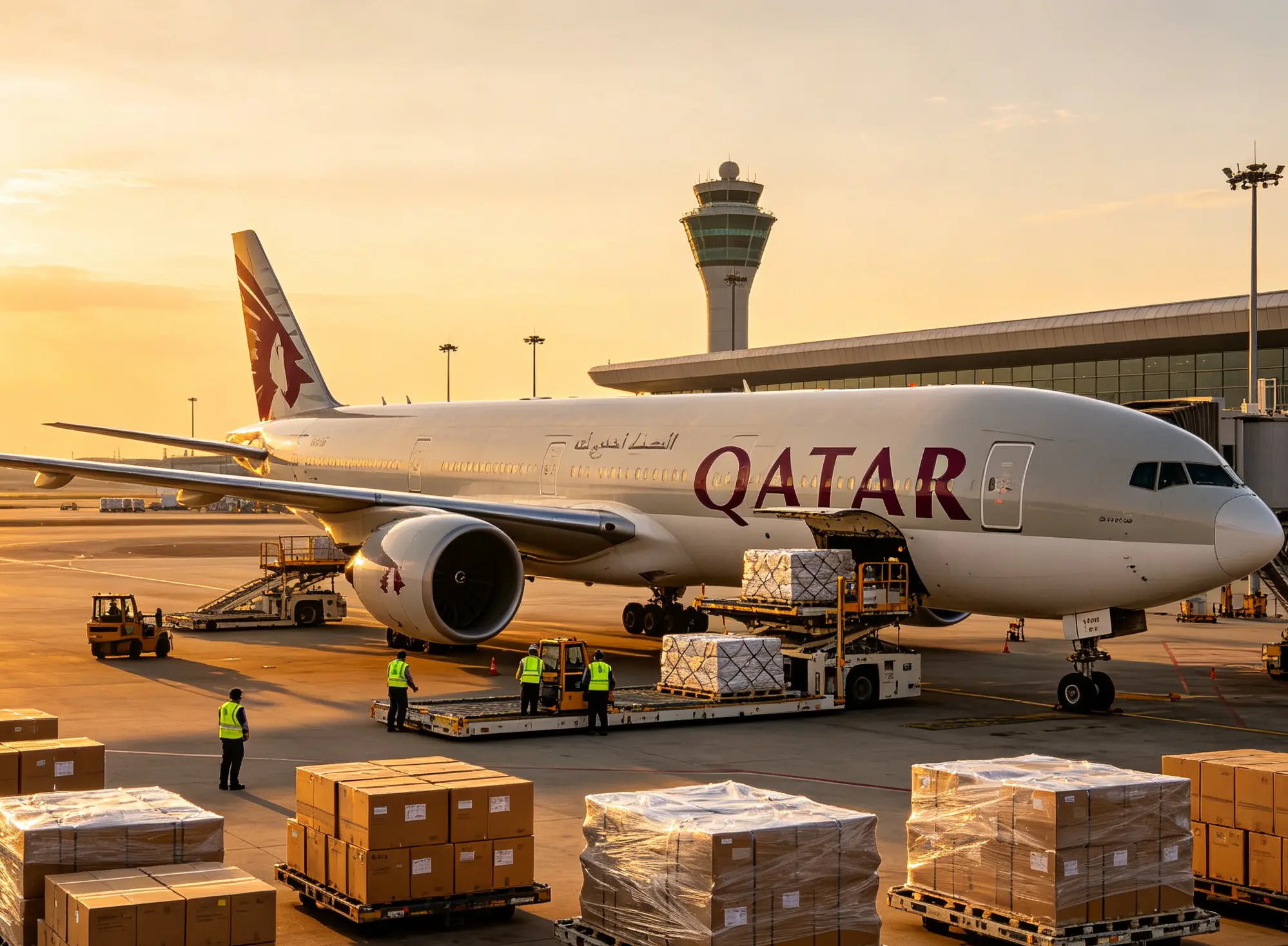
Air freight from China enters via O.R. Tambo (JNB) and typically takes 8–15 days door to door, including customs. It is billed on chargeable weight — the greater of actual weight or volumetric weight (volume in cm³ ÷ 6000). Air suits cargo under about 2 CBM, high-value goods, and urgent e-commerce replenishment.
Express Courier
For samples and parcels under 20 kg, express services deliver in 3–7 days with full tracking, billed on chargeable weight using a 5000 divisor. Convenient, but the per-kilogram cost makes it unsuitable for commercial volumes.
| Mode | Door-to-Door Transit Time | Reference Price (September 2026) | Best For |
|---|---|---|---|
| Sea LCL (DDP) | 30–45 days | $100–$250 per CBM, duties included | Heavy, bulky, non-urgent cargo |
| Sea FCL 20ft | 28–40 days | $2,200–$3,500 port-to-port, plus local charges | Shipments above 15 CBM |
| Air Freight (DDP) | 8–15 days | $5–$12 per kg | Urgent, high-value, small cargo |
| Express Courier | 3–7 days | $10–$20 per kg | Samples, documents, small parcels |

These are reference ranges based on market conditions as of September 2026. Rates fluctuate monthly with fuel surcharges, peak-season capacity, and exchange rates — always confirm a live quote before booking.
How Door to Door Shipping Works: The 7-Step Process
A professional door-to-door shipment involves seven stages, but your own involvement can be reduced to two actions: providing accurate cargo information and receiving the goods.
- Quotation and booking. You share the product name, HS Code, quantity, gross weight, volume, declared value, and both addresses. Accurate data here is the single biggest factor in avoiding surprise charges later.
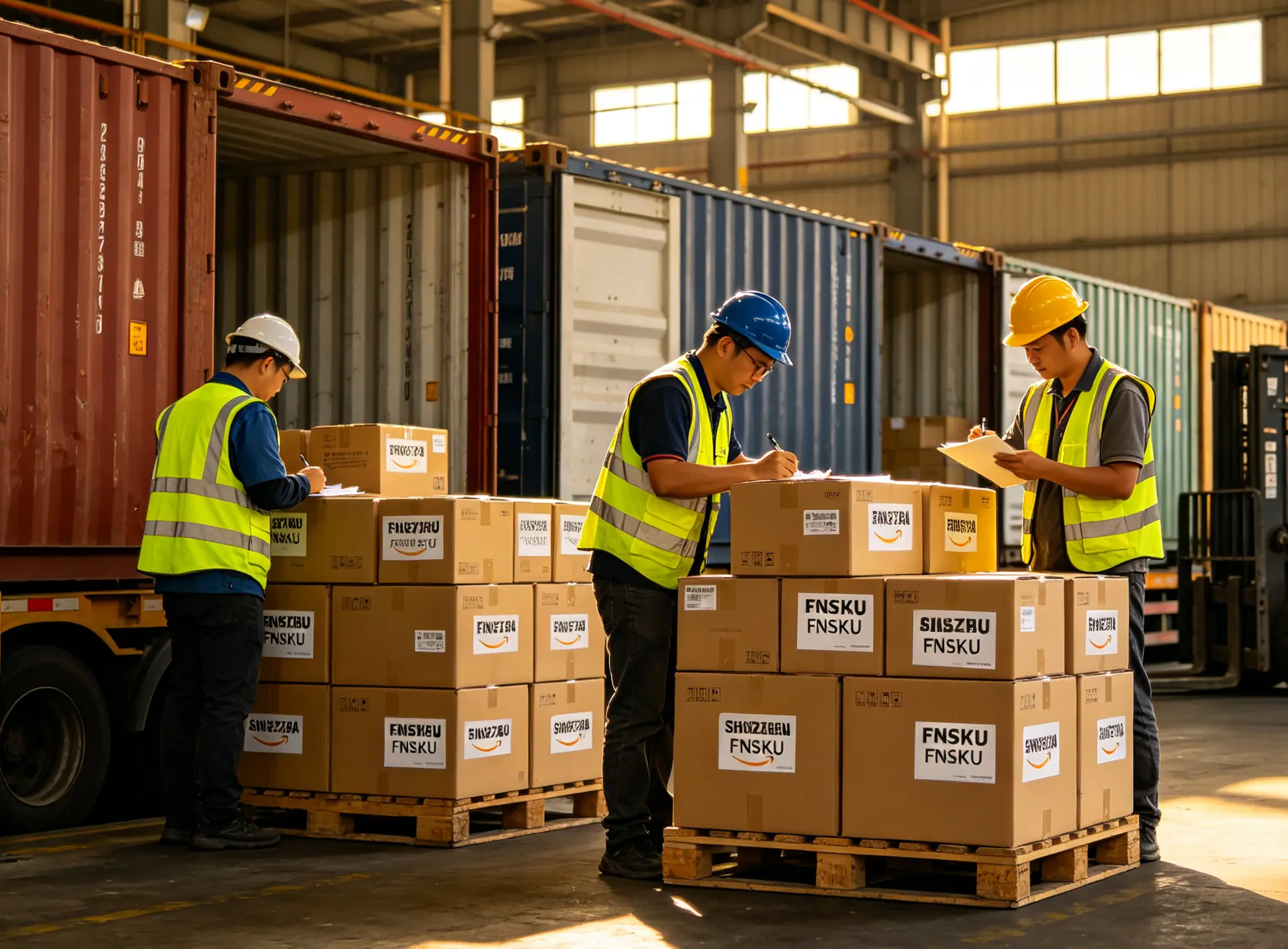
- Factory pickup and consolidation. The forwarder collects cargo from your supplier, inspects and labels it, and consolidates it with other shipments if using LCL.
- China export clearance. The Commercial Invoice and Packing List are prepared and the cargo is declared to Chinese customs.
- International carriage. Cargo moves by ocean (with a Bill of Lading issued) or by air (with an Air Waybill).
- South African import clearance. The forwarder’s broker files the import declaration with SARS, pays or arranges duty and VAT, and resolves any inspection.
- Inland transfer. For Durban arrivals, cargo is trucked to Gauteng — typically 1–3 days to Johannesburg.
- Final delivery and sign-off. Last-mile delivery to your address, with optional unloading for palletized or heavy cargo.

One advantage of a single forwarder owning all seven stages is accountability: if a delay happens at step 5, you have one contact who can re-route, expedite, or escalate — instead of three companies blaming each other across two continents.
South African Customs, Duties, and VAT Explained
Your total import cost equals the CIF value (cargo value + insurance + freight) multiplied by the duty rate, plus VAT charged on the CIF value plus duty — plus clearance and handling fees. Understanding this formula is the difference between a predictable budget and an expensive surprise.
As of April 2026, South Africa’s VAT rate stands at 16% (up from 15.5% since May 2025). SARS also applies a 10% upliftment to the customs value when calculating VAT for goods originating outside the Southern African Customs Union. The actual formula is: VAT = [(CIF × 1.10) + Duty] × 16%.
Commercial importers need a SARS Importer Code. If you do not have one, DDP shipping remains possible: the freight forwarder’s licensed customs broker clears the cargo under agreed terms, which is why DDP is the dominant model on the China–South Africa lane. Certain product categories — used goods, some electronics, and medical devices — also require an ITAC import permit, which should be verified weeks before shipment.
Here is a realistic duty calculation for a common scenario:
Example: A Johannesburg retailer imports $8,000 worth of apparel, with freight and insurance bringing the CIF value to $9,200. Clothing attracts a duty rate of roughly 45%: $9,200 × 45% = $4,140 in duty. VAT is charged at 16% on the CIF value plus the 10% uplift, plus duty: ($9,200 × 1.10 + $4,140) × 16% = $15,260 × 16% ≈ $2,440. Total taxes alone: about $6,580 — roughly 82% on top of the goods’ value. This is exactly why a DDP quote that “includes duties” can look expensive but actually be transparent.
South Africa also maintains a prohibited-and-restricted list: narcotics, thin plastic bags, and used mattresses are banned outright, while agricultural products, pharmaceuticals, and firearms require permits. Your forwarder should screen your HS Code against this list before departure, not after arrival.
How Long Does Door to Door Shipping from China to South Africa Really Take?
For ocean freight, budget 30–45 days door to door; for air freight, 8–15 days. The wide ranges you see quoted online exist because four variables move the needle:
| Scenario | Ocean Door-to-Door | What Drives It |
|---|---|---|
| Direct sailing + smooth clearance | 28–35 days | Direct Shenzhen/Guangzhou–Durban sailings |
| Transshipment + normal clearance | 35–45 days | Routing via Singapore or Port Klang adds ~7 days |
| Inspection, peak season, or congestion | 45–60 days | Chinese New Year, Golden Week, Durban port congestion |
Build at least two weeks of buffer into project-critical shipments, and book three weeks earlier than usual ahead of peak season (October–November and the weeks before Chinese New Year).
What Does Door to Door Shipping Cost? The True Landed Cost
A door-to-door quote should itemize nine components: pickup fee, export clearance, international freight, destination port charges, clearance service fee, duty and VAT, inland trucking, final delivery, and insurance. The cheapest-looking quotes usually leave several of these out.
Watch specifically for hidden or conditional charges:
- Demurrage and Detention (D&D) — penalties when containers sit too long at the port or with the consignee.
- Warehouse and storage fees — if clearance takes longer than the free period.
- Remote-area surcharges — deliveries outside major metros such as Bloemfontein, Nelspruit, or Polokwane.
- Inspection fees — if SARS selects the container for a physical exam.
To make this concrete: a 3 CBM shipment of home goods from Guangzhou to Johannesburg typically lands in the $700–$1,200 range all-in under DDP (freight, duties, and delivery included), while a 20ft container of machinery parts under DAP might carry $3,000–$4,000 in logistics charges before duties are added. Your actual figure depends on the commodity, its HS classification, and the current market — treat any fixed online price list as a starting point, not an offer.
5 Practical Tips for a Smooth Door-to-Door Shipment
- Prepare a complete quote package. Send product names, HS codes, carton specifications, declared value, both addresses, and photos of the cargo and packaging. One complete email replaces five rounds of back-and-forth and produces a firmer price.
- Verify the forwarder’s South African network. Ask directly: Is the clearing agent licensed? Which cities does inland delivery cover? Are Gauteng-outside deliveries surcharged? Vague answers here predict problems later.
- Declare sensitive cargo early. Batteries, liquids, powders, and branded items need route confirmation and documents like MSDS or UN38.3. Undeclared sensitive cargo discovered at the port is the leading cause of seizure and re-export.
- Buy cargo insurance. It is rarely included by default. For high-value ocean shipments — and given inland security risks on long South African trucking routes — dedicated cargo insurance services are inexpensive relative to the exposure.
- Get the DDP scope in writing. Insist on a quote that explicitly lists what is not included: insurance, inspections, storage, remote fees, and re-handling. A transparent exclusion list is the mark of a professional forwarder.
Why Importers Choose Efanda Logistics
Once you know what to look for — a real South Africa desk, licensed clearance partners, itemized quotes, and proactive updates — the choice of forwarder becomes much clearer. Efanda Logistics, founded in 2018 and headquartered in Shenzhen, the logistics hub closest to South China’s manufacturing belt, has built its door-to-door service around exactly these standards.
The team manages the full chain in-house: factory pickup, consolidation at its Shenzhen warehouse, export declaration, ocean and air freight to Durban, Cape Town, or O.R. Tambo, customs clearance coordination, and final delivery across all nine major South African cities. And for importers expanding into other African markets, Efanda also operates dedicated shipping from China to Nigeria and shipping from China to Kenya services along the same door-to-door standards. Pricing is quoted itemized and transparent, with no hidden surcharges, and every client works with a dedicated logistics specialist from pickup to signature — reachable directly at +86 18929345880. Whether your first shipment is a single LCL pallet or a full container load, you get the same tracked, documented, end-to-end process.
FAQ
How long does door to door shipping from China to South Africa take?
Ocean freight takes 30–45 days door to door; air freight takes 8–15 days. Add one to two weeks of buffer during Chinese New Year and peak season.
How much does door to door shipping from China to South Africa cost?
As of September 2026, reference rates are $100–$250 per CBM for LCL sea freight (DDP, duties included), $2,200–$3,500 for a 20ft container, and $5–$12 per kg for air freight. Final pricing depends on cargo details, HS classification, and current market conditions.
What is the difference between door to door and DDP shipping?
Door-to-door describes the physical service scope (pickup through delivery). DDP is a trade term meaning the seller or forwarder also pays import duties and VAT. A door-to-door shipment can be DDP, DAP, or another Incoterm — always confirm which applies before comparing quotes.
Can I import from China to South Africa without an importer code?
Yes, through DDP shipping: the forwarder’s licensed customs broker handles SARS clearance under agreed terms. However, you remain responsible for providing accurate product descriptions, HS codes, and declared values.
What documents are required?
At minimum: a Commercial Invoice, Packing List, Bill of Lading (sea) or Air Waybill (air), and the correct HS code. Depending on the product, a Certificate of Origin, test reports, or ITAC permits may also be needed.
Is sea or air freight cheaper for door to door shipping?
Below roughly 100–200 kg or 1 CBM, air and express are competitive; above that, sea freight wins decisively. For cargo above 15 CBM, a full container is usually the cheapest option per unit.
Is cargo insurance included in door to door shipping?
Usually not. Insurance is a small add-on relative to cargo value and is strongly recommended — reviewing cargo insurance for China exports options before departure takes minutes and can save an entire shipment.
Conclusion
Door to door shipping from China to South Africa is ultimately a procurement decision, not just a logistics one: first decide the service scope you need, then the trade term (DDP, DAP, or FOB) that matches your import capacity, and only then compare prices on equal terms. Budget 30–45 days by sea or 8–15 days by air, demand an itemized quote that exposes the exclusions, and verify your forwarder’s local clearance and delivery network before the cargo leaves the factory.
If you would like a transparent, itemized door-to-door quote based on today’s market rates, contact the Efanda Logistics team — a dedicated specialist will review your cargo details and respond with a complete cost and transit plan.