Home > News > Door to Door Shipping from China to Kuwait: The Complete 2026 Guide (Costs, Process & Transit Times)
Efanda
September 23, 2026
11:34 pm
Door to Door Shipping from China to Kuwait: The Complete 2026 Guide (Costs, Process & Transit Times)
What’s the simplest way to move your cargo from a factory in Guangzhou to your warehouse in Kuwait City without touching a single customs form? For thousands of importers, the answer is door to door shipping from China to Kuwait — one freight forwarder, one quote, and one point of contact from the supplier’s loading dock to your final delivery address. With Kuwait importing over USD 8 billion worth of goods from China in 2025, door-to-door delivery has become the fastest-growing shipping option for businesses that don’t hold a Kuwaiti import license or don’t want to manage multiple carriers and customs brokers.
This guide breaks down exactly how door to door shipping works in 2026: real cost ranges for air and sea freight, step-by-step transit timelines, the documents Kuwaiti customs expects, and the mistakes that cause delays and surprise fees. By the end, you’ll know what a fair quote looks like before you book.
What Is Door to Door Shipping from China to Kuwait?
Door to door shipping (also written Door-to-Door or D2D) is a fully managed logistics service in which a single freight forwarder handles every stage of the journey. They pick up cargo from your supplier in China, complete export customs clearance, arrange international transport by sea or air, clear customs at the Kuwaiti border, and deliver the goods to your final address — whether that’s a retail shop in Kuwait City, a warehouse in Al Ahmadi, or a project site in Jahra.
Under this model, most shipments move on DDP (Delivered Duty Paid) terms. That means the forwarder also pays Kuwait’s import duties and clearance fees on your behalf, so the price you agree upfront is close to the total cost you’ll actually pay. The alternative is DDU (Delivered Duty Unpaid), where freight and delivery are bundled but duties are billed to you on arrival. If you’re weighing Kuwait against other markets, our door to door shipping service page explains how the DDP model works across every trade lane we cover.
This is fundamentally different from buying on FOB or CIF terms, where you (or a broker you hire) must handle destination customs, port charges, and inland delivery yourself. For many Kuwait-bound importers, that difference decides whether a shipment is manageable — or a weeks-long headache. If you’d like a broader route overview covering every transport mode, see our complete guide to shipping from China to Kuwait. And if your supply chain extends beyond Kuwait, the same end-to-end framework applies across our global network — learn how we structure door to door shipping from China.
Why Choose Door to Door Delivery to Kuwait?
You should choose door to door delivery if you want a predictable total cost and don’t hold a Kuwaiti import license — because under DDP terms, you technically don’t need one.
Kuwait’s customs rules add urgency to that choice. The country requires imports to be cleared by a licensed local customs broker, and if your company has no legal entity or commercial registration in Kuwait, you cannot self-clear commercial cargo at all. A door-to-door forwarder solves this by clearing your goods under its own local partner’s license.
The benefits show up immediately:
No import license needed. Under DDP terms, the forwarder’s local partner acts as the importer of record — you receive the goods as a consignee, not a registered importer.
A single all-inclusive quote. Ocean freight, pickup, export formalities, Kuwaiti duties (typically 5%), clearance fees, and final trucking are bundled together, so hidden charges like destination port fees don’t ambush your budget.
One point of contact. Instead of coordinating a Chinese trucking company, a shipping line, a customs broker in Shuwaikh, and a local delivery truck, you message one dedicated logistics specialist.
Built-in compliance. Experienced forwarders pre-check your HS Code, labeling, and certification requirements before cargo moves — preventing the two-week customs holds that poorly documented shipments trigger.
One honest caveat: because the forwarder’s local company acts as the importer of record under DDP, the goods clear in their name, not yours. For most commercial importers this is routine, but if you plan to reclaim import VAT or need the import record in your own company name for accounting, discuss DDU or standard FOB terms with your forwarder first. (Note: as of 2026 Kuwait has not yet implemented VAT, but keeping clean import records remains good practice.)
Air Freight vs. Sea Freight: Which Door to Door Option Fits Your Cargo?
Choose air freight door-to-door for shipments under about 150 kg or when speed matters; choose sea freight LCL between 2 and 15 CBM; choose a full container (FCL) once you pass roughly 15 CBM. Here’s how the options compare in 2026:
Shipping Method
Door-to-Door Transit Time
Door-to-Door Price (2026)
Best For
Air Freight (DDP)
5–9 days
$5.50–$8.50/kg
Urgent, high-value, or perishable cargo; 50–300 kg
Sea Freight LCL (DDP)
30–45 days
$195–$320+ per CBM
Small-to-medium batches; 2–15 CBM
Sea Freight FCL 20ft (DDP)
30–35 days
$3,500–$4,800
15–28 CBM of furniture, building materials, machinery
Sea Freight FCL 40ft/HQ (DDP)
30–40 days
$5,200–$6,800
55+ CBM; bulk commercial orders
Express Courier (DHL/FedEx)
3–6 days
$10–$40+/kg
Samples and parcels under 10 kg
The FCL vs. LCL Decision Rule
Cargo Volume
Recommended Option
1–10 CBM
LCL (pay per CBM, share the container)
10–15 CBM
Compare LCL vs. 20ft FCL prices — they’re often close
15–25 CBM
20ft FCL
25–55 CBM
40ft FCL
55+ CBM
40HQ or 45HQ container
Air freight economics reward weight: moving from a 100 kg shipment (around $13/kg door-to-door) to 500 kg can drop your rate below $7/kg. Sea freight works the opposite way — LCL is economical only past about 2 CBM or 500 kg, because per-shipment handling fees dominate smaller volumes.
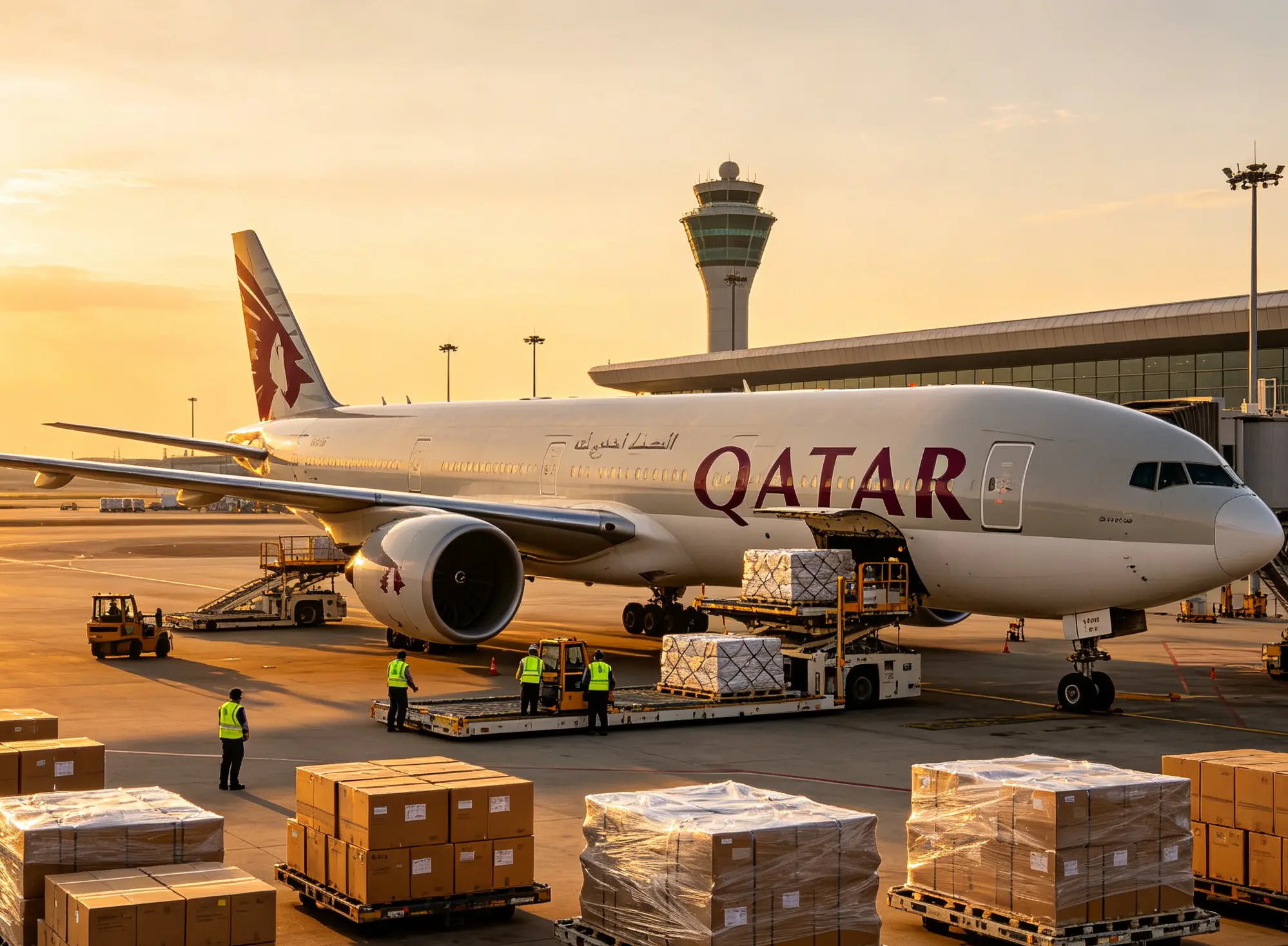
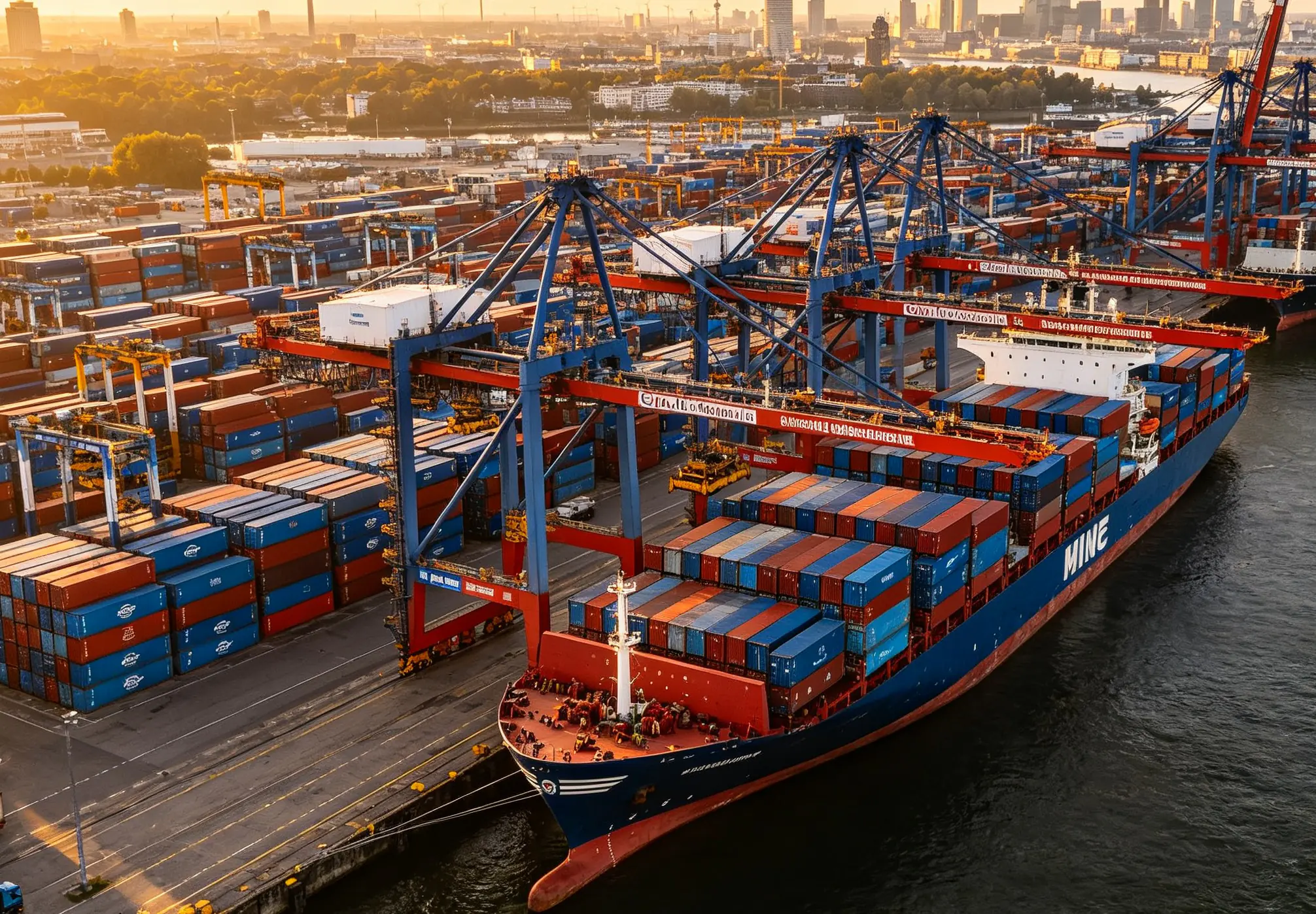
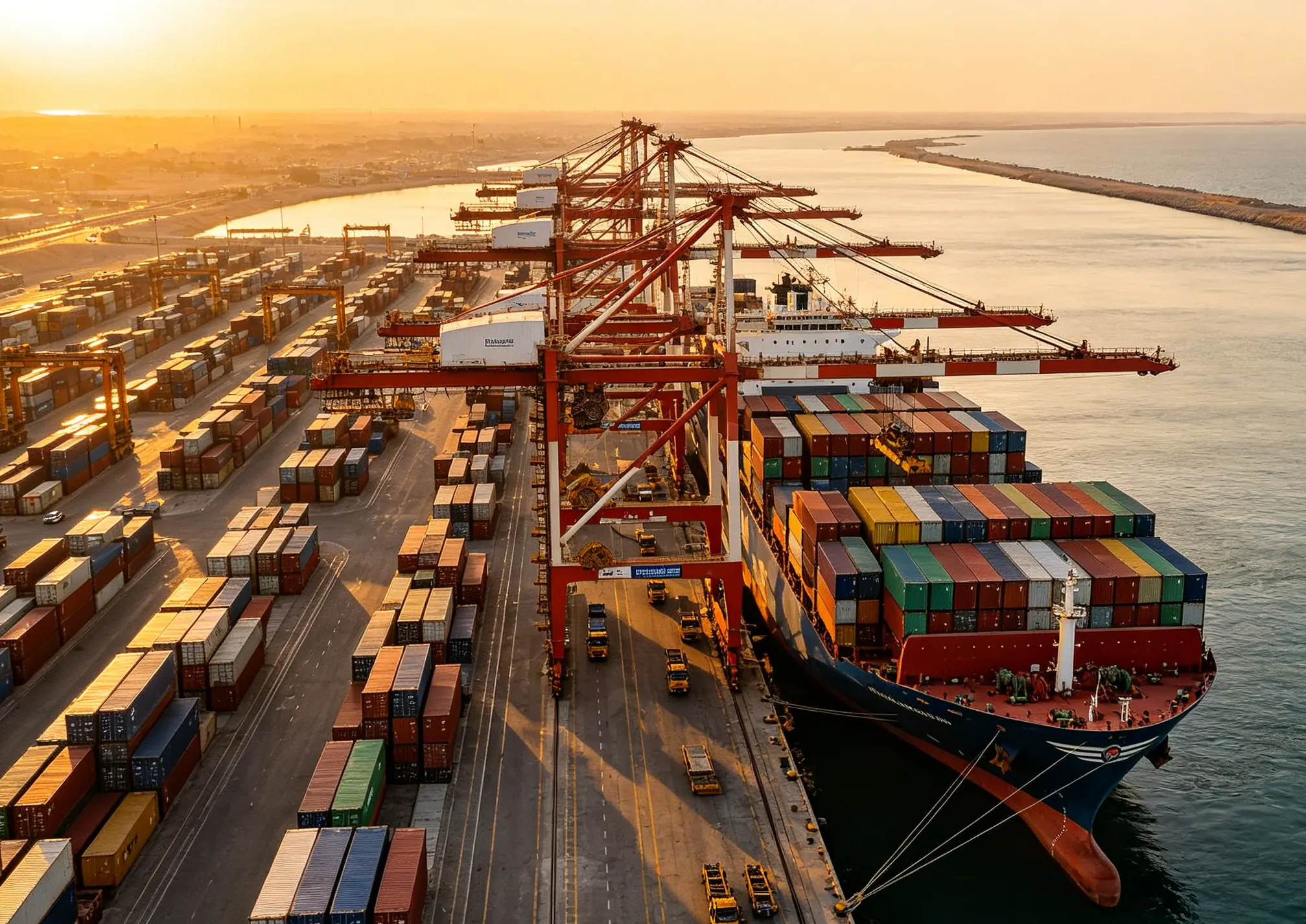
Which port and airport matter: Most sea cargo arrives at Shuwaikh Port, Kuwait’s main commercial gateway just west of the capital and ideal for consumer goods. Industrial cargo, heavy machinery, and project shipments typically route through Shuaiba Port to the south. Air cargo lands at Kuwait International Airport (KWI), served by direct flights from Guangzhou (CAN), Shenzhen (SZX), and Shanghai (PVG) — sea sailings from South China often transship via Jebel Ali in the UAE before reaching Kuwait. Whether you end up booking sea freight from China or air freight from China, a door-to-door DDP quote bundles the entire chain into one figure.
Rates vary with fuel costs, seasonal demand, and cargo type. Get a current quote before budgeting — these figures are ballpark ranges from early-2026 market data, not locked-in prices.
How Much Does Door to Door Shipping from China to Kuwait Cost?
Expect to pay roughly $200–$320 per CBM for LCL sea freight, $3,500–$4,800 for a 20ft container, or $6–$9 per kg by air — all inclusive of pickup, duties, clearance, and delivery under DDP terms. To understand where that money goes, it helps to separate the port-to-port freight from the full landed cost:
Route (Port-to-Port)
20ft Container
40HQ Container
LCL per CBM
Shenzhen → Shuwaikh
$1,500–$2,100
$2,500–$3,300
$120–$180
Guangzhou → Shuwaikh
$1,550–$2,150
$2,550–$3,350
$120–$180
Shanghai/Ningbo → Shuwaikh
$1,600–$2,400
$2,600–$3,600
$120–$180
The gap between the freight rate and the door-to-door total is the “last mile plus paperwork” layer. A complete landed cost includes nine components:
Inland trucking from your supplier to the export warehouse or port
Chinese origin port charges and export declaration fees
Ocean or air freight
Cargo insurance (optional but recommended)
Kuwait destination port charges
Import duty — 5% of CIF value for most goods
Clearance, KUCAS, and documentation fees
Final inland delivery to your address
Hidden Costs to Watch For
The quote is only half the story. These are the fees that catch inexperienced importers off guard:
Demurrage and Detention (D&D): If your certification paperwork isn’t ready when the vessel arrives, containers sit at the port accruing daily charges. This is the single most common avoidable expense on Kuwait-bound cargo.
KUCAS testing fees: Regulated products (low-voltage electricals, toys, tires, some cosmetics and food items) need a Certificate of Conformity under the KUCAS scheme — testing and issuance cost extra and take time.
Embassy legalization: Commercial invoices and certificates of origin for Kuwait often require CCPIT certification plus legalization by the Kuwaiti Embassy in China, which carries per-document fees and several working days of processing.
Volumetric weight on air freight: Chargeable weight is the greater of actual weight or (L×W×H in cm ÷ 6000). Bulky, light cargo can cost far more than expected.
Three practical ways to cut costs: book two to three weeks ahead, consolidate shipments from multiple suppliers into one LCL load to dilute fixed fees, and optimize packaging so you pay for cargo, not empty cardboard.
If you want one locked-in figure with zero surprises, ask for a DDP quote where duties and clearance are bundled — but avoid brokers who quote sea freight with “local charges to be advised,” because that’s code for hidden fees. Demand an itemized breakdown showing pickup, ocean freight, insurance, customs duty, clearance, and delivery as separate lines. Frankly, this is where most first-time importers get burned.
DDP vs. DDU vs. FOB/CIF: Choosing the Right Shipping Terms
Choose DDP door-to-door if you lack a Kuwaiti import license and want cost certainty; choose DDU if you can clear customs yourself but want bundled transport; choose FOB only if you have (or have hired) destination-side logistics capability:
Factor
DDP Door-to-Door
DDU Door-to-Door
FOB / CIF
Kuwait import license required
No (forwarder’s partner imports)
Yes
Yes
Import duty paid by
Forwarder (in quote)
You, on arrival
You, on arrival
Total cost predictability
Highest
Medium
Lowest upfront, riskiest total
Cargo control / ownership of import record
Forwarder’s partner
You
You
Best for
SMEs, first-time importers, e-commerce sellers
Licensed importers wanting convenience
Large importers with in-house logistics
Whatever you do, avoid EXW (Ex Works) unless your forwarder confirms the supplier can handle Chinese export clearance — many factories legally cannot or will not, leaving your cargo stranded before it even starts its journey.
At Efanda Logistics, this comparison is a conversation we have with nearly every new Kuwait client. In one recent case, a furniture importer in Foshan was quoted FOB by default; after we walked through the DDP math — his lack of an import license, broker fees, and the 5% duty — the door-to-door option came out both cheaper and two weeks faster on the paperwork side. The “cheapest” freight option is rarely the cheapest delivered option.
Door to Door Shipping Process: A 7-Step Timeline
From booking to delivery, a sea freight door-to-door shipment typically takes 30–40 days and passes through seven distinct stages:
Step 1: Quotation and Booking (1–2 days). Share your cargo details — product name, HS Code, volume, weight, and pickup city — and receive an itemized quote. Confirm booking and sailing or flight schedule.
Step 2: Supplier Pickup and Warehouse Consolidation (1–5 days). The forwarder trucks cargo from your supplier to its export warehouse, ideally inspecting it first. This is where labeling gets checked: Kuwaiti customs expects “Made in China” markings to be permanently printed or engraved — peelable stickers are frequently rejected.
Step 3: Export Customs Clearance in China (1–2 days). Your forwarder files the export declaration with the commercial invoice, packing list, and booking confirmation.
Step 4: Document Certification and Embassy Legalization (5–10 days — start early). For Kuwait, invoices and certificates of origin typically need CCPIT certification and Kuwaiti Embassy legalization. Starting this after cargo arrives is the classic rookie error — and it happens more often than you’d think.
Step 5: International Transportation (3–26 days). Air freight from CAN or SZX reaches KWI in hours; sea freight from Shenzhen to Shuwaikh runs 22–26 days port-to-port, often transshipping through Jebel Ali.
Step 6: Kuwait Import Clearance via the KACS System (2–5 days). The local partner submits the digital customs entry through KACS (Kuwait Automated Customs System), pays the 5% duty, and handles any KUCAS inspection.
Step 7: Final Delivery (1–2 days). Cargo clears to a local truck for delivery across Kuwait’s governorates — Kuwait City, Al Ahmadi, Jahra, Hawalli, and beyond.
Throughout, you should receive milestone updates at each node. At Efanda Logistics, every Kuwait shipment gets a dedicated logistics specialist who tracks the cargo from pickup to signed delivery receipt — no chasing status updates across three time zones.
Kuwait Customs Clearance: Documents, Duties, and Restrictions
For a standard commercial shipment, Kuwaiti customs requires four core documents: a Commercial Invoice (original, signed, and stamped), a Packing List with weights and dimensions, a Bill of Lading (B/L) for sea freight or Air Waybill (AWB) for air freight, and a Certificate of Origin. Regulated products additionally need KUCAS certification.
On taxes, the structure is straightforward but often misstated online:
Import duty: 5% of CIF value (cost + insurance + freight) on most goods under the GCC common external tariff.
VAT: Kuwait has signed the GCC VAT framework agreement but, as of 2026, has not implemented VAT. Beware of guides that quote 15% VAT calculations for Kuwait — that figure belongs to other markets.
Excise tax: None. Kuwait has discussed introducing excise taxes on tobacco and sugary drinks, but as of 2026 no excise tax law has been enacted.
De minimis: Low-value shipments may qualify for duty exemption, but thresholds vary by shipment type — confirm with your forwarder.
Prohibited and restricted items: Alcohol, pork products, narcotics, pornographic material, gambling devices, and anything deemed offensive to Islam are banned outright. Drones, hidden cameras, and certain radio-frequency equipment face heavy restriction. Category-specific permits apply too — chemicals need Environment Public Authority (EPA) clearance, wireless devices need CITRA approval, and electronics may require Ministry of Commerce or PACI pre-approval.
Two timing realities worth planning around: clearance slows by three to five days during Ramadan and Eid, when customs working hours shrink. And summer heat above 50°C (122°F) from May to September makes air freight the safer choice for cosmetics, liquids, and heat-sensitive electronics that would otherwise bake in a container on the Shuwaikh apron.
Shipping Different Product Categories to Kuwait
The right door-to-door setup depends heavily on what you’re moving:
Building materials and heavy equipment: Route FCL containers through Shuaiba Port, which is built for industrial and project cargo. Out-of-gauge machinery may need flat-rack or open-top containers — the same project-cargo discipline we apply when shipping construction materials and building products from China to Saudi Arabia.
Furniture and home décor: South China’s manufacturing belt (Guangzhou, Foshan, Shenzhen) is the main source. LCL consolidation works well here, but insist on corner protection and moisture barriers — container heat and humidity punish bare wood and upholstery.
Electronics and branded goods: Budget for KUCAS conformity, MOC/PACI approvals, and anti-static, shock-absorbent packaging. Air freight protects both timeline and product integrity.
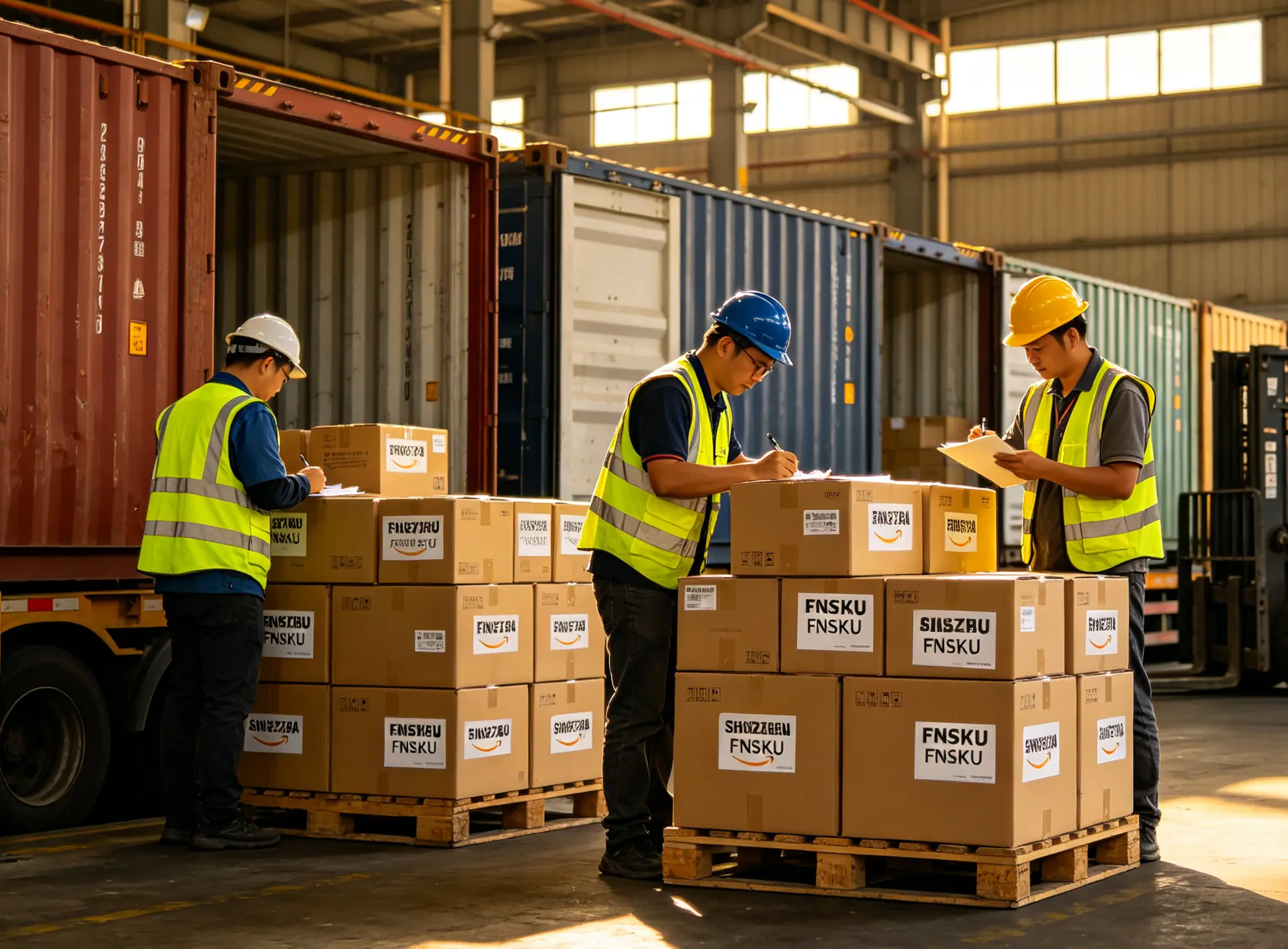
E-commerce parcels and samples: Compare air freight line-haul against express couriers (DHL, FedEx) at under 10 kg — express is faster, but consolidated air freight with last-mile delivery is often half the price above a few kilograms. Sellers routing stock into fulfillment networks can also use our Amazon FBA service for labeling and warehouse compliance.
Here’s a real timeline from our files: in early 2026, a building materials importer ordered three 40HQ containers of ceramic tile and sanitary ware from Foshan. We collected from two factories, consolidated at our Shenzhen warehouse, completed export clearance and embassy legalization in parallel with the ocean leg, cleared through Bayan, and delivered to the client’s warehouse in Kuwait City — 33 days door-to-door, with duties and all charges settled at the quoted figure. The client’s previous FOB shipment had taken 51 days and cost 14% more once destination charges landed.
Common Mistakes to Avoid When Shipping to Kuwait
Most door-to-door delays and budget overruns trace back to five preventable errors:
Shipping first, certifying later. Embassy legalization and KUCAS testing must start before cargo sails. Late paperwork is the number-one cause of Demurrage and Detention charges.
Using peelable “Made in China” stickers. Kuwaiti inspectors reject them. Require permanent marking at the factory.
Booking during the Ramadan crunch. Space tightens and customs slows 3–5 days. Book three to four weeks ahead of Ramadan, or wait until after Eid al-Fitr.
Skipping cargo insurance. Carrier liability is calculated by weight — often a fraction of your cargo’s real value. A marine cargo insurance policy, like the cargo insurance services we arrange for most Kuwait-bound shipments, is a small premium for full-value peace of mind.
Comparing freight rates instead of landed costs. A $1,600 port-to-port rate can easily become a $4,500 delivered reality. Always ask for the itemized all-in figure.
Why Choose Efanda Logistics for China–Kuwait Door to Door Shipping?
By now you know what to look for: transparent itemized pricing, a licensed local clearance partner in Kuwait, direct carrier space, milestone-level tracking, and a human who answers when you call. That’s precisely the service Efanda Logistics has built since 2018 from our headquarters in Shenzhen — China’s densest logistics hub.
We run genuinely end-to-end: factory pickup and warehousing consolidation across South China, export declaration, ocean and air freight, Kuwaiti customs clearance under our local partner’s license, and last-mile delivery to any governorate. Our quotes are built on live market conditions with every inclusion and exclusion listed line by line — no hidden fees, no “destination surprises.”
Because we hold contracted space with major carriers, we can protect your sailing schedule through peak season. A dedicated logistics specialist updates you at every node from pickup to proof of delivery.
To be transparent about what we can’t control: freight rates move with fuel and capacity markets, and customs timelines shift with holidays and inspection workloads. What we can promise is honest numbers up front, proactive problem-solving when conditions change, and a team that’s answered the phone since 2018. Reach us at +86 18929345880 for a quote tailored to your cargo.
FAQ
How long does door to door shipping from China to Kuwait take? Sea freight takes 30–45 days door-to-door depending on the origin port (Shenzhen/Guangzhou: 30–35 days; Shanghai/Ningbo: 35–40 days). Air freight takes 5–9 days. Add 3–5 days during Ramadan and Eid.
How much does it cost to ship a 20ft container from China to Kuwait door to door? In 2026, budget $3,500–$4,800 all-in under DDP terms, including pickup, 5% import duty, clearance, and delivery. Port-to-port ocean freight alone runs $1,500–$2,100 from South China.
Is door to door shipping to Kuwait DDP — are duties included? Under DDP, yes: the forwarder pays the 5% import duty, clearance fees, and delivery in the quoted price. Under DDU, duties are billed to you upon arrival. Here’s the thing — always confirm which terms you’re actually getting before you sign, because some brokers advertise “DDP” but quietly shift duty risk back to you in the fine print.
Do I need an import license to receive goods in Kuwait under DDP? No. The forwarder’s local partner clears the goods under its own license. You would only need a license if importing under FOB or CIF terms with your own customs broker.
What documents do I need for Kuwait customs clearance? A commercial invoice, packing list, bill of lading (or air waybill), and certificate of origin. Regulated products additionally need a KUCAS Certificate of Conformity; documents may require CCPIT certification and Kuwaiti Embassy legalization.
What is KUCAS and does my product need it? KUCAS (Kuwait Conformity Assurance Scheme) is a pre-shipment conformity program covering products like low-voltage electricals, children’s toys, vehicle tires, tobacco, and certain foods, cosmetics, and chemicals. Without the certificate, cargo faces inspection holds, re-export, or destruction.
Can I ship electronics or batteries from China to Kuwait door to door? Yes, with preparation. Expect MOC/PACI pre-approvals, MSDS documentation for batteries, and KUCAS where applicable. An experienced forwarder should confirm approvals before pickup.
What items are prohibited when importing into Kuwait? Alcohol, pork products, narcotics, pornography, gambling devices, anti-Islamic materials, and Israeli-origin goods are prohibited. Drones, concealed cameras, and some radio-frequency devices are heavily restricted.
How is chargeable weight calculated for air freight to Kuwait? Airlines charge the greater of actual gross weight and volumetric weight (length × width × height in cm ÷ 6000). For express couriers, the divisor is typically 5000.
How do I track my door to door shipment from China to Kuwait? Your forwarder should provide milestone tracking across all seven stages — pickup, export clearance, departure, arrival, customs, and delivery. Ideally, you want a named specialist proactively sending updates, not you chasing a tracking number at midnight.
Wrapping Up
Door to door shipping from China to Kuwait removes the two biggest barriers Kuwait-bound importers face: the import license requirement and the complexity of coordinating customs clearance in a foreign system. In 2026, expect 30–45 days and $200+ per CBM by sea, or 5–9 days and $6–9 per kg by air, with duties bundled under DDP terms.
Ready to price your shipment? Contact Efanda Logistics at +86 18929345880 or request a quote through our website — we’ll send you an itemized, no-hidden-fee door-to-door quote based on today’s real market rates.