Can a container of solar panels already sailing toward Jeddah be refused clearance because of a label printed weeks earlier? Under Saudi Arabia’s new labeling rule, yes. When you plan how to ship solar panels from China to Saudi Arabia, the expensive mistakes rarely happen at sea. They happen in the label artwork, the certificate dashboard and the loading plan, weeks before the vessel sails.
This guide covers the 2026 compliance checklist, SABER’s two-certificate system, HS 8541.43 and the landed cost of a 40HQ, container loading limits, transit times to Jeddah, Dammam and King Abdullah Port, and the dangerous-goods rules for lithium batteries. It’s written for the importers, EPC contractors and distributors who handle shipping from china to saudi arabia every quarter. Figures reflect September 2026 market conditions.

1. Saudi Import Requirements for Solar Panels: The 2026 Compliance Checklist
To import solar panels into Saudi Arabia in 2026, four things must be true before loading: the label must carry your Saudi importer’s name and Commercial Registration (CR) number, the module must hold IEC 61215 and IEC 61730 reports, the model must have a valid Product Certificate of Conformity, and the shipment must have a Shipment Certificate of Conformity issued before departure.
What Changed on October 1, 2026 (SASO Circular 247)
SASO Circular 247 requires products covered by ten technical regulations (solar photovoltaic systems among them) to display the supplier’s name and CR number permanently on the label. No compliant label, no Certificate of Conformity (CoC), no SABER clearance.
The consequence is a sequencing problem, not a paperwork problem: artwork must be locked before mass production, and changing it mid-run can push your loading date past your sailing.

Our Industry Insights
The CR number is the most-forgotten item in a solar purchase order. Buyers confirm it with their Saudi entity at contract stage but never pass it to the factory’s artwork team. What usually goes wrong is subtler: the registered legal name and the trading name on the invoice don’t match, and that’s what the conformity body queries. We write both into the PO’s label clause, so artwork can’t be printed without them.
IEC Standards and Arabic Labeling
SASO‘s Technical Regulation for Solar Photovoltaic Systems covers modules, inverters, mounting structures and electrical accessories, requiring certification through a SASO-notified body under the IECEE framework. This is product-level approval. It isn’t the document that clears a specific container.
Modules need IEC 61215 and IEC 61730; inverters need IEC 62109-1 / -2; lithium storage needs IEC 62619 plus UN38.3. Labels, nameplates and manuals must be in Arabic.
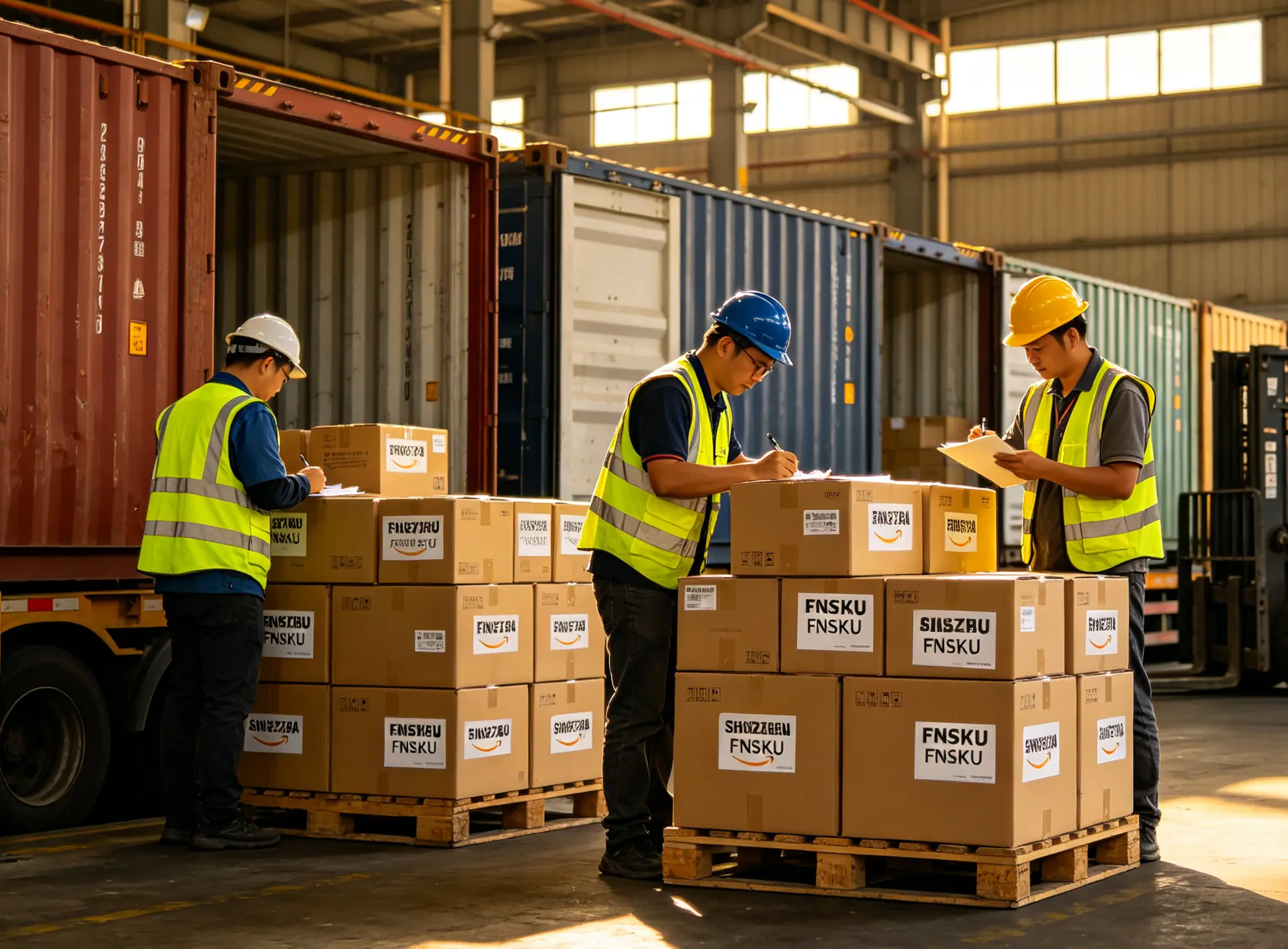
Three checks before ordering: confirm the importer’s legal name and CR number in the PO label clause; request the accreditation page of the laboratory that issued each IEC report; and build a one-page sheet linking label text, certificate, invoice and HS code.
2. SABER Certification for Solar Panels in Saudi Arabia: PCoC vs SCoC Explained
SABER certification for solar panels in Saudi Arabia runs on two certificates, and you’ll need both: a Product Certificate of Conformity (PCoC) covering a model for typically one year, and a Shipment Certificate of Conformity (SCoC) issued for every consignment.
| Item | PCoC (Product) | SCoC (Shipment) |
|---|---|---|
| Tied to | Product model | One consignment |
| Validity | Typically 1 year, reusable | Single shipment |
| Government platform fee | ~SAR 575 per SKU | ~SAR 350–400 per shipment |
| Applied for by | Saudi importer | Saudi importer |
| Timing | Before the first shipment | Before arrival — best practice is before the vessel departs |
| If missing | No SCoC possible | Cargo cannot clear; adds ~2 weeks |
These are SABER’s government platform fees. Your conformity assessment body charges separately for technical review and testing, which is usually the larger and more variable cost.
The Timing Rule That Catches Importers Off Guard
The SCoC isn’t a post-loading formality. The hard requirement is that it’s in hand before the cargo arrives; waiting until the vessel is at sea leaves no margin for a query from the CAB, and demurrage starts the moment the container berths. Treat “SCoC issued” as a booking release condition.

The Four Most Common Rejection Causes
- Test reports from a laboratory without accreditation for the relevant standard.
- Labels missing the CR number or Arabic text.
- Invoice, packing list and SCoC descriptions that do not match word for word.
- An HS code that conflicts with the SABER classification.
3. Solar Panel HS Code 8541.43 and Import Duty in Saudi Arabia
Solar panels are classified under HS 8541.43 and currently enter Saudi Arabia at a 0% MFN duty rate, but 15% VAT still applies on the CIF value plus duty, and that’s only part of your landed cost.
Classifying Panels, Inverters and Batteries
Modules, inverters and storage use different headings: modules at 8541.43, inverters at 8504.40, lithium batteries at 8507.60. Declare mixed containers line by line. Put a full solar kit under one code and you’ll invite a red-channel inspection and reassessment.
Duty, VAT and the CIF Formula
Duty and VAT are calculated on CIF (goods + insurance + freight), not FOB or EXW. The shortcut for most goods is CIF × 1.2075; for modules at 0% duty it’s about CIF × 1.15.
Rates change. Verify the live ZATCA tariff before shipping. Figures below are September 2026 estimates.
| Cost component | Basis | Estimate (USD) |
|---|---|---|
| Module value | 620 × 550W at $0.11/W | $37,510 |
| Inland trucking + export clearance | Factory → South China port | $550 |
| Ocean freight | 40HQ, South China → Jeddah | $4,500 |
| Marine insurance | ~0.4% of cargo value | $150 |
| CIF subtotal | — | $42,710 |
| Customs duty | 0% on HS 8541.43 | $0 |
| VAT | 15% × CIF | $6,407 |
| SABER, handling, brokerage | Per SKU + Jeddah | $1,350 |
| Inland delivery | Jeddah → Riyadh | $1,100 |
| Total landed cost | — | $51,567 |
| Landed cost per watt | 341,000 W | $0.151/W |
VAT and the inland leg dominate this table, not duty.
One line item deserves separate attention. cargo insurance for china exports costs roughly 0.3–0.6% of cargo value, and it’s the only line in that table that protects you when a claim surfaces months after delivery.
Chinese TOPCon modules closed August 2026 at roughly $0.108–0.114 per watt FOB China, so the $0.11/W used here sits mid-market. Module prices move, and a 20% swing shifts your landed cost per watt by a similar order.
4. How Many Solar Panels Fit in a 40HQ Container
A 40HQ holds roughly 600–720 standard 550W modules (about 330–400 kW), loaded as 18–20 pallets stacked two high. In normal practice the pallet count and the container’s volume are the binding constraints; weight only becomes the limit with the heaviest glass-glass modules.
Container Loading Limits
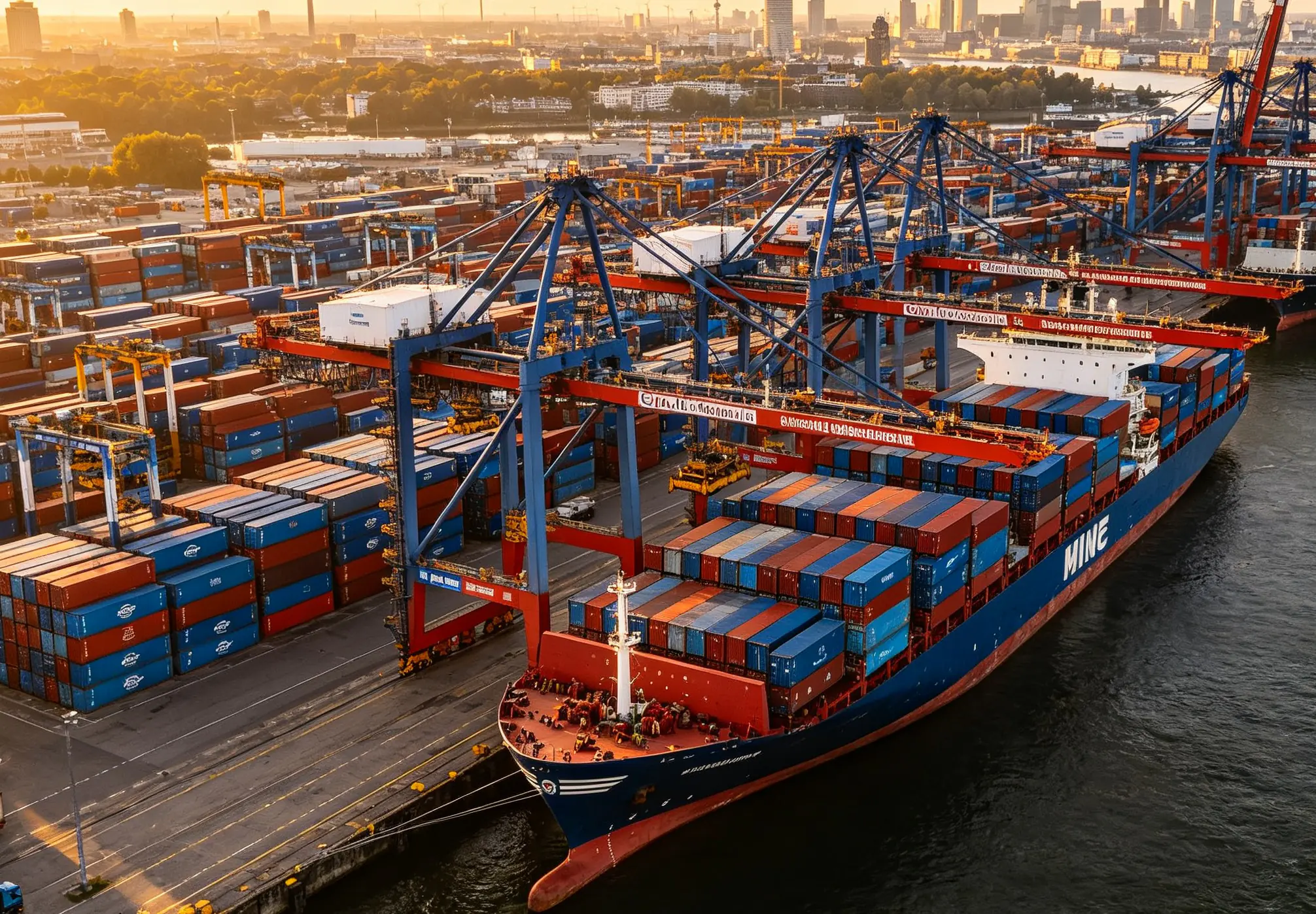
Modules ship on heat-treated ISPM 15 pallets of about 1,100 × 2,300–2,400 mm, stacked 30–36 panels per pallet and secured with steel or PET bands, corner protectors and stretch wrap. The pallet format, not the module alone, decides how the container fills. Almost all module volume moves as fcl shipping from china to saudi arabia, because a dedicated container keeps handling to two points in the entire journey.
| Container | Internal volume | Modules per pallet | Pallets loaded | 550W modules (approx.) |
|---|---|---|---|---|
| 20GP | ~33.2 m³ | 30–36 | ~10 | 300–360 (165–198 kW) |
| 40GP | ~67.7 m³ | 30–36 | 10–18 | 300–650 |
| 40HQ | ~76.4 m³ | 30–36 | 18–20 | 600–720 (330–400 kW) |
Volumes are carrier-published capacities, and pallet counts vary with module dimensions and pallet format.
Weight is rarely the problem.
Trust the manufacturer’s own packing line (“pieces per pallet” and “pieces per 40HQ”) over any rule of thumb. Older guidance quoting 500–600 panels counted 60- and 72-cell modules around 1.7 × 1 m; today’s 182 mm and 210 mm formats pack differently. Weight only becomes the constraint at the heavy end: a 550W single-glass module weighs about 27–29 kg, so 620 pieces comes to roughly 18–20 tonnes with pallets, comfortably inside a 40HQ payload of about 28.7 tonnes. A full container of heavy bifacial modules at 33–38 kg can reach roughly 26 tonnes, close to both the container payload and Saudi road limits. On the inland leg, Saudi Arabia applies axle-based gross weight caps (45 tonnes for a five-axle rig), enforced with per-100 kg penalties, so it’s worth confirming the configuration with your destination trucker.
Pre-Shipment Inspection: EL and Flash Testing
Before loading, insist on electroluminescence (EL) testing to detect micro-cracks, plus flash testing on a random sample. Micro-cracks don’t show up at delivery. They appear as yield loss a year or two later, inside the 25-year warranty your customer is counting on.
Real-Life Scenario
A Jeddah distributor shipping to a Riyadh rooftop project did this across a three-container order in the second quarter. Trimming corner protectors and separators bought two extra pallets per container, roughly $300 of freight. The damage invoice came to $11,400, and the only reason the claim was paid was the EL imaging run before loading.
5. Shipping Solar Panels from China to Saudi Arabia: Cost and Modes Compared
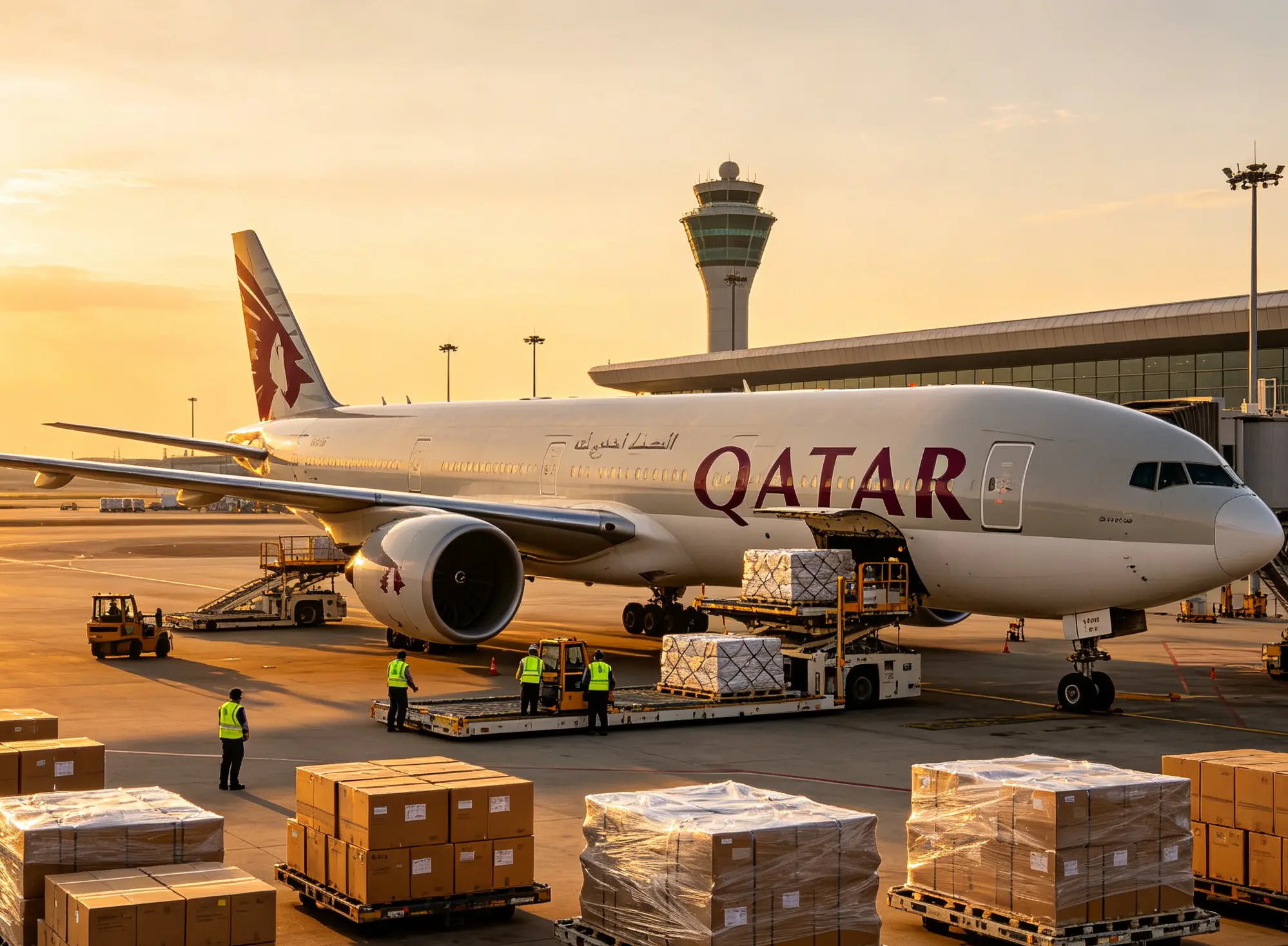
For commercial solar volumes, sea freight from china is the default on the China–Saudi Arabia lane: one container, sealed at origin, lowest cost per watt. air freight from china is reserved for urgent spares and samples.
| Mode | Indicative cost | Transit | Best for | Damage risk |
|---|---|---|---|---|
| FCL sea (40HQ) | Lowest per watt | 18–28 days | Full containers, project cargo | Low |
| LCL sea | Per CBM, higher per watt | 24–35 days | Under ~15 CBM, trial orders | Medium–High |
| Air freight | $5.50–9.00 per kg | 3–7 days | Urgent spares, high-value parts | Low |
| Door-to-door (DDP) | Bundled | 25–40 days | Buyers without an import entity | Low |
LCL is the one mode to think hard about: consolidation adds handling, stacking pressure and days. If modules must travel LCL, upgrade the top-cap and stacking specification rather than accepting the standard pallet.
FOB vs CIF vs DDP for Saudi Buyers
FOB remains the sweet spot for importers with a Kingdom-based customs broker. DDP removes coordination but hides the destination-side cost stack, so ask for a line-item breakdown. A reliable forwarder will quote door to door shipping from china as separate legs rather than one blended number.
Our Logistics Experience
Through August and September, Gulf-lane rates moved almost weekly: Red Sea routing changes and GRI/PSS surcharges shifted quotes by several hundred dollars inside a single month. We quote with a two- to three-week validity and show surcharges as separate lines, so clients can see which part is the market and which part is us.
6. Transit Time and Port Choice: Jeddah, Dammam, or King Abdullah Port
Sea transit from South China to Jeddah typically runs 18–25 days port to port, and the right Saudi gateway is decided by inland distance to your site, not by the cheapest ocean rate.
| Origin | Jeddah Islamic Port | King Abdulaziz (Dammam) | King Abdullah Port |
|---|---|---|---|
| Shenzhen / Yantian | 18–25 days | 18–24 days | 19–26 days |
| Shanghai | 20–28 days | 20–28 days | 21–29 days |
| Ningbo | 22–30 days | 21–29 days | 22–30 days |
Jeddah, Dammam or King Abdullah Port
Jeddah serves the west (Mecca, Medina, Yanbu and Jeddah). Dammam feeds the eastern corridor and Riyadh via the Riyadh Dry Port. King Abdullah Port handles specific services and project cargo. Add the inland leg before you decide.
The same logic applies to the rest of the project kit. Mounting structures, cabling and steelwork usually arrive as breakbulk or heavy FCL, and inland weight limits rather than ocean freight tend to drive the cost. See our guide on how to ship construction materials and building products from china to saudi arabia.
For NEOM, Tabuk or the northern projects, the inland leg is long enough that a higher ocean rate into the right port can still win. Confirm oversize permits and truck types before committing. Modules are long, light and easily stressed. Projects that mix PV with site equipment face the same permit logic; our guide on how to import and ship an excavator from china to saudi arabia covers the oversize-cargo angle in detail.
Seasonal Risks: Ramadan, Hajj and Chinese New Year
Ramadan and Hajj slow customs, trucking and warehousing, while the pre-Chinese New Year build-up tightens vessel space. Plan a 7–14 day buffer into the project schedule.
7. Shipping Solar Panels with Lithium Batteries and BESS
Lithium batteries and containerized BESS ship as Class 9 dangerous goods. They require UN38.3 reports, an MSDS, compliant packaging and explicit carrier approval. They’re never a routine add-on to a panel container.
Carriers ask for the UN38.3 report, MSDS, battery specification sheet and proof of compliance with the IMDG Code. For 2026, classification, packing and segregation follow the current amendment (42-24); containerized storage systems are typically declared as UN3536. That amendment also moved UN3536 to stowage category D (on deck only), so under-deck slots are no longer available and booking lead times for BESS have lengthened. Some carriers additionally restrict or periodically refuse lithium cargo.
Co-loading keeps one container but requires segregation, secure blocking and cool, ventilated stowage. For high-value projects, separate bookings isolate risk and simplify claims.
One sequencing rule matters more than any other on China-origin DG shipments: DG trucking from the factory, then the maritime declaration, then carrier approval, then stuffing. We’ve watched importers reverse the last two steps, and a container stuffed before the carrier accepts the booking usually sits at port for a week.
8. Grid Connection Is a Separate Approval: What SASO Does Not Cover
Passing SABER proves your equipment may enter Saudi Arabia. It doesn’t prove your system may connect to the grid. That’s a separate approval held by the power-sector regulator and the local distribution company.
The failure mode is expensive: the container clears customs, the modules are installed, and the system never goes live because the inverter’s protection settings or grid parameters don’t match local requirements. Saudi systems run on 220–230V / 60Hz (the distribution grid is transitioning toward 230V), and grid-tied inverters must meet utility connection standards.
| Approval or document | Owner | When | If missing |
|---|---|---|---|
| IEC test dossier | Manufacturer | Before PCoC | No certificate |
| PCoC / SCoC | Saudi importer via SABER | Before first / every shipment | No clearance |
| ZATCA declaration (FASAH) | Importer or licensed broker | Before arrival | Container held |
| Grid connection approval | Project owner with the utility | Before commissioning | System cannot run |
| Oversize / axle permits | Destination trucker | Before inland delivery | Delivery delayed |
Buying compliant equipment and buying connectable equipment are separate decisions. Ask the inverter supplier for a market-specific grid connection statement, and schedule the utility approval as its own milestone.
Ask for that statement before you sign the purchase order.
9. FAQ
What is the HS code for solar panels in Saudi Arabia, and how much is the import duty?
Modules fall under HS 8541.43 at 0% MFN duty, with 15% VAT on the CIF value plus duty. Inverters (8504.40) and lithium batteries (8507.60) use different codes — verify them against the live ZATCA tariff.
What is the difference between PCoC and SCoC?
A PCoC is tied to a product model and is typically valid for one year across shipments. An SCoC is tied to one consignment and must be issued before the cargo arrives, with the vessel’s departure from China as the practical deadline.
Can I ship solar panels and lithium batteries in the same container?
Possible but not automatic. Batteries are Class 9 dangerous goods requiring UN38.3 reports, an MSDS and carrier approval. For high-value projects, separate bookings usually give better risk control.
How many solar panels fit in a 40HQ container?
Roughly 600–720 units of a standard 550W module, loaded as 18–20 double-stacked pallets of 30–36 pieces each. Check the manufacturer’s own “pieces per 40HQ” packing specification before you size an order.
What is the transit time from China to Saudi Arabia?
Port-to-port sea transit is typically 18–28 days from South China and 20–30 days from Shanghai or Ningbo. Add three to five days at each end for clearance, trucking and delivery.
Do solar panels need Arabic labeling in Saudi Arabia?
Yes. Labels, nameplates and manuals must be in Arabic, and since October 1, 2026 the label must also show the Saudi importer’s name and CR number under SASO Circular 247.
10. Conclusion
Shipping solar panels into Saudi Arabia in 2026 is mostly a sequencing exercise. Get the CR number onto the label before production, hold the SCoC before the vessel sails, check the pallet count against the module’s own packing specification, and price the shipment with VAT and the inland leg included.
Do that, and the ocean leg becomes the least interesting part of your project. Skip it, and a label printed in September can stop a container in October.
Efanda Logistics is headquartered in Shenzhen and has run end-to-end solar shipments since 2018 — factory pickup and container consolidation, SABER document pre-screening, dangerous-goods booking and delivery across the Kingdom. Every client works with a dedicated logistics specialist, and we quote from real market conditions with no hidden surcharges. Talk to our team before your next purchase order.